
Fall Pruning: The Best Practices for Structurally Sound Trees
 March 25, 2026 12:00 pm
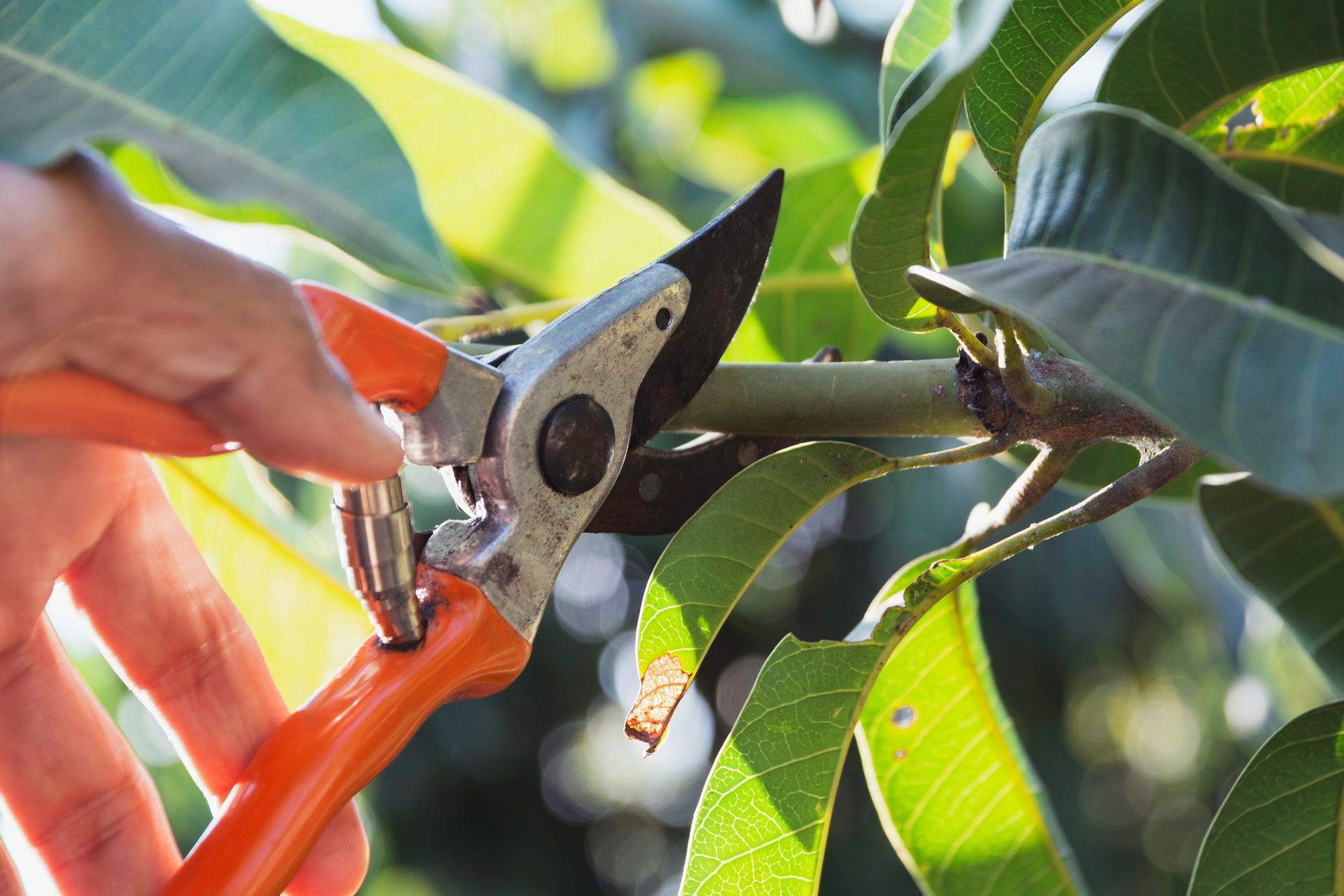
As the growing season winds down, fall becomes an important time to evaluate the structure and health of your trees. While many homeowners associate pruning with late winter or early spring, fall pruning can play a key role in improving tree structure and preparing trees for winter conditions.
Understanding the difference between fall pruning and dormant-season pruning, along with how pruning reduces winter storm damage, can help you make informed decisions about your landscape.
What Is Fall Pruning and When Should It Be Done
Fall pruning typically takes place after the growing season has slowed but before extreme cold sets in. During this time, trees begin transitioning into dormancy, making it easier to identify structural issues such as weak branches, overcrowding, and damage from the growing season.
Fall pruning is best suited for:
- Removing dead or damaged limbs
- Correcting minor structural issues
- Reducing risk before winter storms
- Improving airflow through the canopy
However, it is important to avoid aggressive pruning too late in the season, as this can stimulate new growth that may not harden off before freezing temperatures arrive.
For professional guidance on proper pruning techniques, visit Frontier Tree’s Pruning Services page.
Fall Pruning vs Dormant-Season Pruning
Understanding the difference between fall pruning and dormant-season pruning is critical for proper tree care.
Fall Pruning Focuses on Risk Reduction
Fall pruning is primarily preventative. It targets weak, damaged, or hazardous branches that could fail under the weight of snow, ice, or strong winds. The goal is to reduce immediate risk before winter weather arrives.
Dormant Pruning Focuses on Structure
Dormant-season pruning, typically done in late winter, is more focused on shaping the tree’s long-term structure. With no leaves present, arborists can clearly see branch spacing and make more precise structural cuts.
Key Differences
- Fall pruning prepares trees for winter stress
- Dormant pruning improves long-term growth patterns
- Fall pruning is lighter and more targeted
- Dormant pruning is more comprehensive and structural
Both approaches are important, and when used together, they create a strong foundation for healthy tree development.
If you are unsure which pruning strategy your trees need, a Professional Evaluation can help determine the best approach.
How Pruning Reduces Winter Storm Damage
One of the biggest benefits of fall pruning is its ability to reduce the risk of storm damage. Winter weather in New Jersey can be unpredictable, with heavy snow, ice accumulation, and strong winds placing stress on tree limbs.
Removes Weak Branches Before They Fail
Dead, cracked, or poorly attached branches are the most likely to break during storms. Removing these branches in the fall reduces the chance of falling limbs that could damage property or injure people.
Improves Wind Flow Through the Canopy
Dense canopies can act like sails in high winds. Selective thinning allows wind to pass through the tree more easily, reducing pressure on major limbs.
Prevents Snow and Ice Buildup Issues
Branches that are overcrowded or poorly spaced tend to collect more snow and ice. Pruning improves spacing and reduces the amount of weight that accumulates during winter storms.
Balances Tree Structure
Overextended limbs or uneven growth can create imbalances that make trees more vulnerable during storms. Strategic pruning redistributes weight and creates a more stable structure.
For homeowners in storm-prone areas, combining pruning with other preventative services can provide even greater protection. Learn more about Comprehensive Tree Care Services.
Common Mistakes to Avoid with Fall Pruning
While fall pruning offers many benefits, improper techniques can do more harm than good.
- Over-pruning can stress the tree before winter
- Cutting too late in the season can encourage new growth
- Improper cuts can lead to decay or disease
- Removing too much canopy can reduce energy reserves
Working with experienced professionals ensures that pruning is done safely and effectively, without compromising tree health.
Signs Your Trees May Need Fall Pruning
If you are unsure whether your trees would benefit from fall pruning, look for these signs:
- Dead or hanging branches
- Branches growing too close together
- Limbs extending over structures or walkways
- Visible damage from previous storms
- Dense canopy with limited airflow
Addressing these issues before winter can prevent more serious problems down the line.
Prepare Your Trees for Winter and Beyond
Fall pruning is not just about appearance. It is about strengthening your trees, reducing risk, and preparing your landscape for the challenges of winter.
By removing weak branches, improving structure, and reducing wind resistance, you give your trees a better chance to withstand harsh weather conditions. When combined with proper winter care practices, fall pruning becomes a key part of long-term tree health.
If you want to ensure your trees are properly pruned and prepared for the season ahead, Schedule a consultation with Frontier Tree today!
Categorized in: Tree Health