
Preparing Your Trees for Winter: The Must Do Checklist
 November 19, 2025 12:00 pm
Cold weather presents challenges for trees and shrubs that you might not notice until spring arrives. Preparing your trees for winter is important if you want them to survive and thrive once temperatures warm again. A comprehensive winter tree care checklist includes deep watering before soil freezes, mulching for moisture retention and temperature regulation, pest prevention strategies during dormancy, and wrapping sensitive trees for frost and sun scald protection. Taking these steps now gives your landscape a foundation for long term health.
Deep Watering Before Winter
One of the most important steps in winter tree care is deep watering before winter sets in. While it may be cold outside and tree growth has slowed, roots continue to take up water until the soil freezes. This water is essential for root function and helps prevent winter desiccation.
To deep water properly start early in the fall when the weather is cool but soil is still unfrozen. Apply water slowly and thoroughly to moisten soil around and beyond the drip line. The goal is not to wet the surface but to allow water to penetrate deep into the soil where roots can access it. Repeat the process during dry spells until soil freezes.
Trees that are newly planted or stressed from drought or disease benefit most from deep watering before winter. With proper hydration roots are less likely to suffer injury from cold or wind.
Mulching Trees for Winter Health
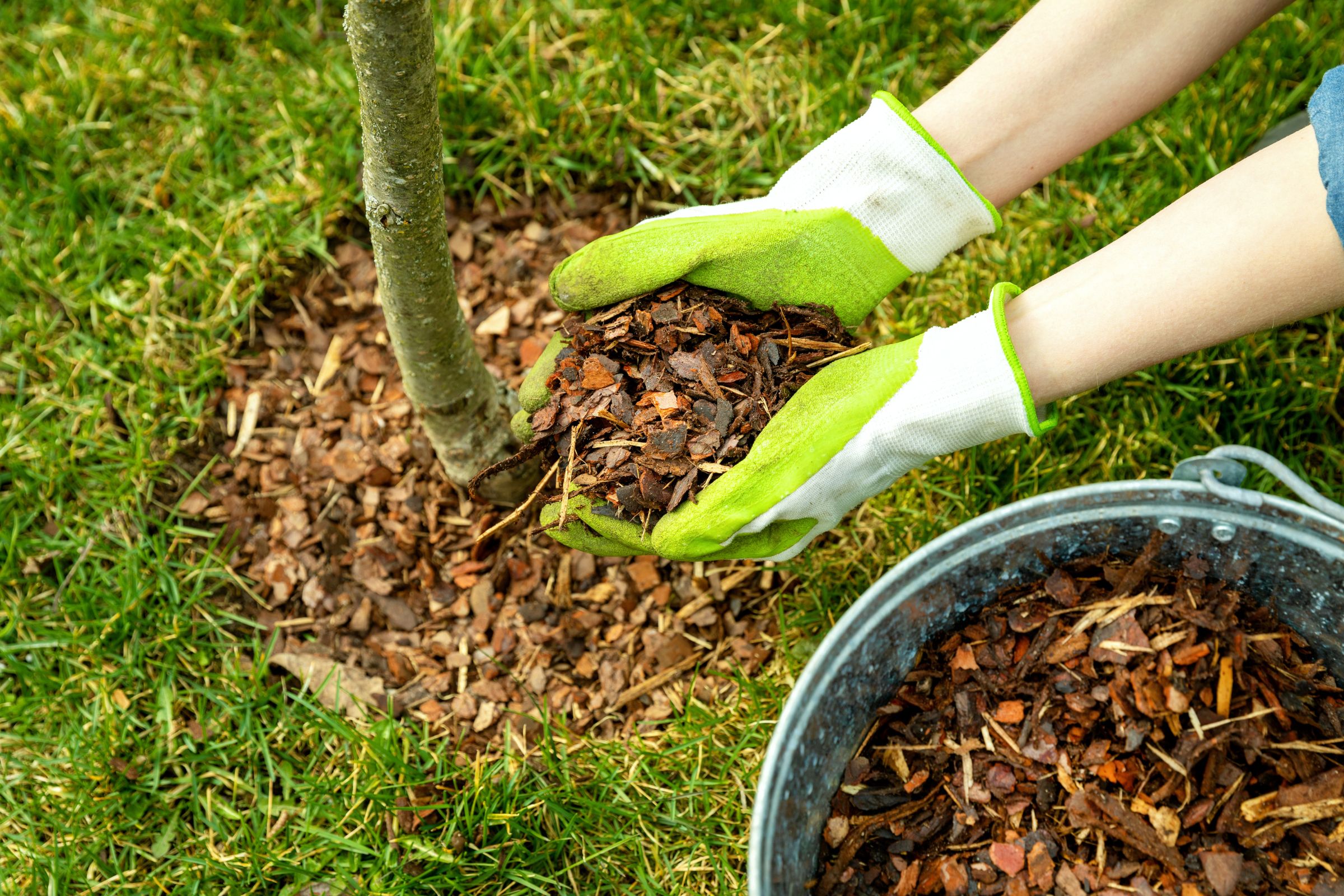
Mulching trees for winter extends the benefits of deep watering and provides insulation to root systems. Organic mulch materials such as shredded bark or wood chips help keep soil moisture from evaporating and reduce soil temperature swings. Mulch also supports beneficial soil organisms that help roots remain healthy.
To apply mulch correctly spread a 2 to 4 inch layer around the tree’s drip line. Keep mulch a few inches away from the trunk to prevent moisture from building up against bark and causing rot. Avoid over mulching or creating a volcano shape around the tree base because this can trap moisture and lead to disease.
Mulch added now will not only conserve moisture through winter but also improve soil structure and nutrient content in spring.
Winter Pest Prevention for Trees
Winter pest prevention for trees is an important part of preparing your trees for winter. Many pests that cause damage in spring and summer begin life cycles during the colder months. Some scale insects and mite eggs remain on bark and buds. Caterpillars and other pests lay eggs on twigs that hatch in spring.
Clear fallen leaves and plant debris that might harbor pest eggs. A winter inspection of bark and branches can reveal small egg masses that can be removed manually. Applying horticultural oil treatments when trees are fully dormant can help smother overwintering pests.
Preventing pests now makes it easier to manage infestations later and helps trees conserve energy for spring growth.
Wrapping Trees for Frost and Sun Scald Protection
Trees with thin bark or shallow root systems are vulnerable to frost cracks and sun scald during winter. These conditions occur when cold nights are followed by warm days, causing bark to expand and contract rapidly. This can lead to cracks that weaken the tree and allow disease organisms to enter.
To prevent these problems wrapping trees for winter is a practical solution. Use breathable tree wrap or tree guards designed for seasonal protection. Start wrapping before the first freeze and remove the wrap in early spring after the last frost. Make sure the material does not trap moisture against the bark. This simple step makes a big difference in protecting your trees from winter weather injury.
Additional Winter Tree Care Tips
In addition to watering, mulching, pest prevention and wrapping there are other steps you can take for winter tree maintenance.
- Prune dead or damaged limbs before heavy snow or ice accumulates.
- Avoid compacting soil around tree roots by limiting foot traffic or vehicle parking.
- Store tools and equipment away from tree trunks so pests are not attracted to protected winter spots.
- Make note of vulnerable trees and plan future treatments, pruning or fertilization for next growing season.
These routine checks help preserve tree health and make spring recovery easier and faster.
Conclusion
Preparing your trees for winter means creating a strong foundation that supports root health, prevents pests, and protects trunks from frost and sun scald. A winter tree care checklist that includes deep watering before winter, mulching trees for winter, pest prevention for trees, and properly wrapping sensitive trunks ensures your landscape remains healthy through cold weather and ready for vigorous growth next spring. Taking these steps now will protect your trees and give you peace of mind throughout the winter months.
Categorized in: Winter Preperation