
The Hidden Dangers of Snow and Ice on Tree Branches
 December 17, 2025 12:00 pm
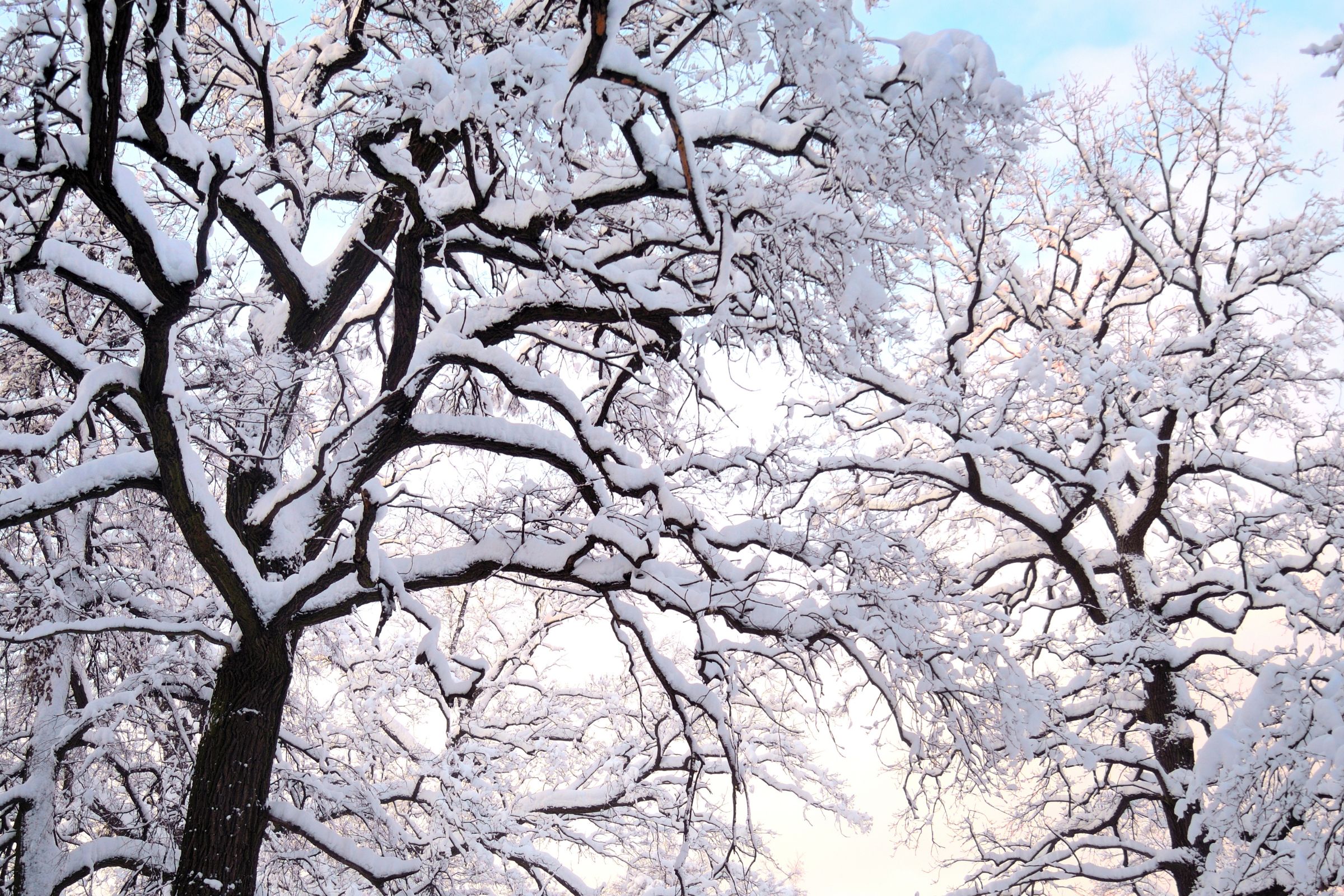
Winter brings quiet beauty with snow covered landscapes and glistening ice. At the same time winter weather can pose serious risks to the trees in your yard. Heavy snow and ice accumulation create stress on tree limbs and can lead to cracks, splits and breakage. Understanding the dangers of snow and ice on tree branches and how to respond can protect your landscape and reduce the potential for costly damage down the road.
Why Snow and Ice Are a Threat to Trees
When snow builds up on branches it adds significant weight. Wet snow can weigh two to three times more than fluffy dry snow. Ice that forms from freezing rain or refreezing melt water can stick to leaves and branches adding even more load. This added weight pulls limbs downward and increases tension in the wood.
Trees are designed to support their own weight along with seasonal variation in leaf cover. They are not designed to carry heavy loads of ice or layers of accumulated snow. The added stress can lead to branch failure, trunk splits, cracking wood and even whole tree collapse.
Even strong mature trees that have withstood many winters can suffer damage when snow and ice buildup occur rapidly or when the tree structure has existing weaknesses. This makes winter a vulnerable season for landscape trees.
Common Types of Winter Damage to Tree Branches
There are several ways snow and ice cause damage to trees:
- Branch Breakage from Snow Load
Large amounts of snow on limbs creates downward pressure. Branches often bend under the load and eventually snap. This breakage can occur suddenly or after repeated snow events. - Ice Accumulation on Branches
Ice forms a heavy coating on branches and leaves, increasing weight significantly. Even small limbs can carry more weight than they are structurally able to support. Ice accumulation often leads to limb fracture and can crack wood. - Cracks in the Trunk and Major Limbs
When heavy loads pull branches in different directions, the tension can travel down to the trunk. This tension can cause large cracks in the wood that weaken the entire tree. - Root Damage from Falling Branches
When large limbs fail and fall to the ground they can impact root systems. Falling limbs can tear up soil, break feeder roots and disrupt stability.
Trees weakened by disease or pests, trees with crowded branch structure, and trees with multiple trunk forks are particularly prone to winter damage.
Long Term Effects of Snow and Ice Damage
Damage from snow and ice is not always immediately visible. A branch that survives the winter may be structurally compromised with unseen cracks. These weakened branches may fail later under wind load or during spring storms.
Trees that sustain repeated winter damage can experience a gradual decline in health. Damaged limbs are more susceptible to disease and decay. These open wounds become entry points for insects and pathogens that further weaken the tree. Over time this can shorten the life of the tree and increase the risk of failure during future weather events.
Strategies for Protecting Your Trees in Winter
While winter weather cannot be controlled, there are steps you can take to reduce the risks of snow and ice damage.
1. Proactive Pruning Before Winter
Good branch structure is one of the best defenses against winter damage. Pruning trains the tree to grow stronger branch attachments. Removing weak, dead or crossing branches before winter reduces the number of limbs susceptible to heavy snow and ice load.
Targeted pruning also reduces overall surface area where snow and ice can accumulate. Pruning is best done before prolonged cold temperatures set in.
2. Structural Tree Care Throughout the Year
Trees that are healthy and have strong root systems are better equipped to handle environmental stress. Regular tree health assessments can identify issues early, allowing for treatment of disease or pest problems that might otherwise weaken wood.
3. Removing Snow Gently
When snow does accumulate on branches, you can often remove it safely by using a broom or brush to lift snow off limbs. Start at the base of the tree and work upwards. Use gentle upward strokes to avoid breaking branches.
Never stand beneath heavy snow loaded limbs when attempting removal. Always be cautious and pause if conditions seem unstable.
4. Avoid Ice Removal by Force
Do not chip ice off tree branches. Using hard tools such as metal rods, shovels or hammers can damage bark or break branches outright. Ice that cannot be safely removed should be left to melt naturally.
What to Do After Heavy Snow or Ice Events
After a major snow or ice event take the time to inspect your trees. Look for:
- Hanging or cracked limbs
- Splits at branch joints
- Bark damage
- Leaning trees or exposed roots
If you see serious damage or large branches that pose a safety risk contact a certified tree care professional. A professional arborist can assess the extent of the damage and recommend proper corrective action. They can remove broken limbs safely, and where necessary provide structural support for compromised trees.
Snow and ice create seasonal beauty but also present serious risks to tree health and safety. Understanding the effects of snow load and ice accumulation on tree branches allows you to prepare and maintain your landscape more effectively. Proactive pruning, regular tree care, and careful management of snow build up can reduce the likelihood of branch breakage and long term damage. By taking winter tree safety seriously you help ensure your trees continue to thrive and remain strong through future seasons.
Categorized in: Storm Damage Prevention