
Tree Pruning in New Jersey: When, Why, and How to Do It Right
 June 3, 2026 12:00 pm
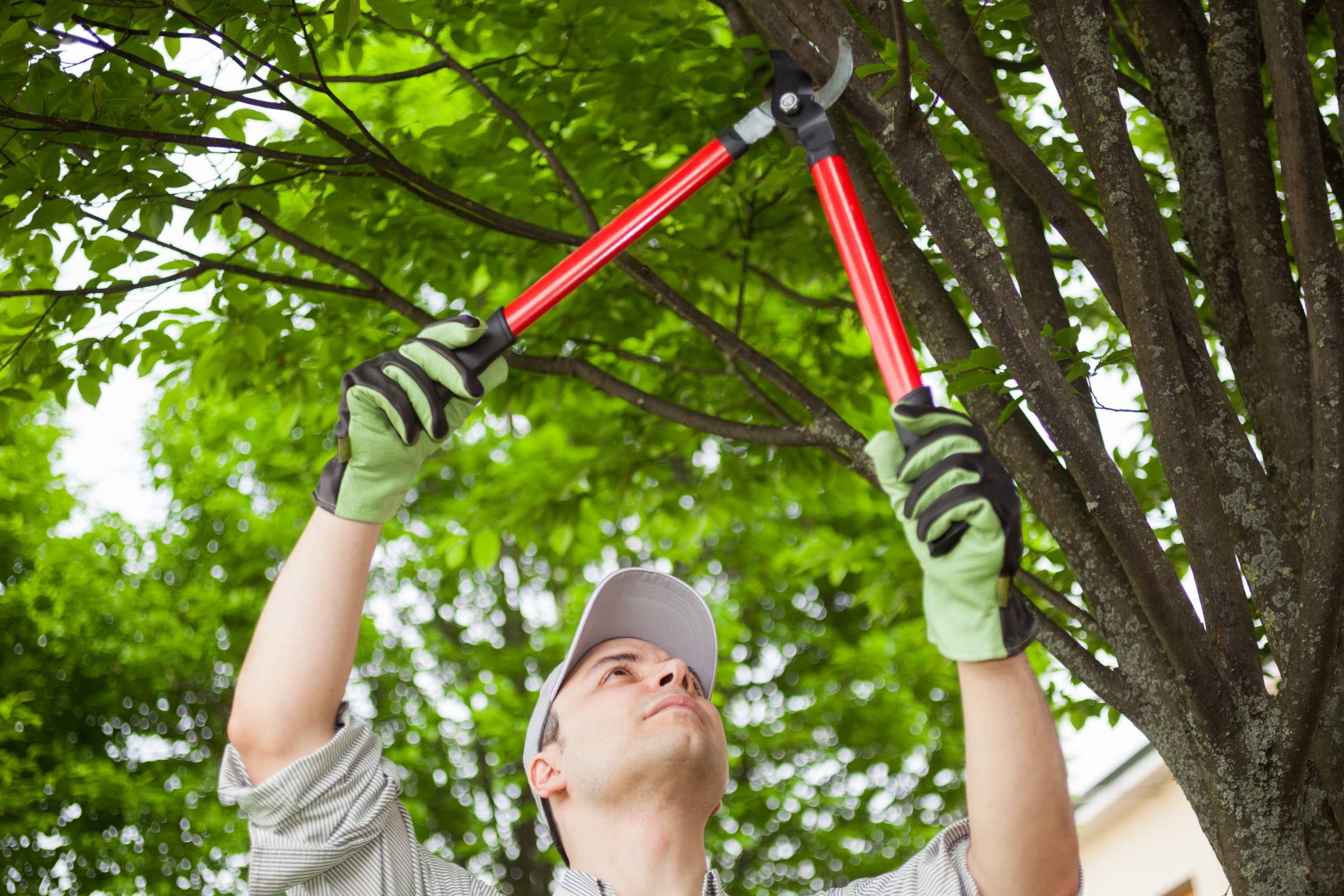
Tree pruning is one of the most important parts of long-term tree care. Proper pruning improves structure, reduces safety risks, encourages healthy growth, and helps trees withstand storms and environmental stress. However, pruning at the wrong time or using improper techniques can weaken trees and create long-term problems.
For homeowners searching for professional tree pruning in New Jersey, understanding when, why, and how pruning should be done is essential for protecting both your landscape and your property.
Why Tree Pruning Matters
Trees naturally grow without human intervention in forests, but landscape trees face very different conditions. Trees growing in yards, near homes, and along driveways often develop wider canopies, heavier limbs, and structural imbalances that require maintenance over time.
Professional pruning helps:
- Remove dead or hazardous branches
- Improve structural integrity
- Increase airflow through the canopy
- Reduce storm damage risk
- Promote healthy growth patterns
- Improve the appearance of your landscape
Proper pruning is not just cosmetic. It is a critical part of maintaining safe and healthy trees.
Learn more about Frontier Tree’s tree pruning services.
When Is the Best Time for Tree Pruning in New Jersey?
The ideal pruning season depends on the species, the condition of the tree, and the goal of the pruning.
Late Winter and Early Spring
For many tree species in New Jersey, late winter and early spring are ideal for structural pruning. During dormancy, trees are less stressed and arborists can clearly see branch structure before leaves emerge.
Benefits of dormant-season pruning include:
- Improved visibility of branch structure
- Reduced stress on the tree
- Lower risk of disease spread
- Stronger spring growth response
Summer Pruning
Selective summer pruning can help manage growth, improve airflow, and reduce weight on overextended limbs. This is especially useful for storm preparation and removing damaged branches.
Fall Pruning Considerations
Fall pruning should be approached carefully. While light corrective pruning may be beneficial, aggressive pruning late in the season can stimulate new growth that may not survive winter temperatures.
If you are unsure when your trees should be pruned, a professional evaluation can help determine the safest and most effective timing for your landscape.
Schedule a tree health assessment.
How Proper Tree Pruning Improves Tree Health
Pruning is about more than simply cutting branches. Strategic pruning supports the long-term health and stability of the tree.
Removes Dead and Diseased Wood
Dead or diseased branches can spread decay and create safety hazards. Removing them early helps prevent further damage and improves tree vitality.
Encourages Strong Branch Structure
Poor branch attachments and codominant stems are common causes of tree failure during storms. Structural pruning helps develop a stronger framework that can better withstand high winds and heavy snow.
Improves Airflow and Sunlight Penetration
Dense canopies trap moisture and limit airflow, creating ideal conditions for insects and fungal diseases. Thinning the canopy improves circulation and supports healthier growth.
Learn more about protecting trees from pests and disease through Frontier Tree’s insect and disease management services.
Common Tree Pruning Mistakes Homeowners Make
Improper pruning can do serious harm to trees and often creates long-term structural issues.
Over-Pruning
Removing too much canopy at once weakens the tree and limits its ability to produce energy through photosynthesis.
Topping Trees
Tree topping is one of the most harmful pruning practices. Cutting large sections from the top of the tree creates weak regrowth and increases the risk of decay and branch failure.
Improper Cuts
Poorly placed cuts can leave trees vulnerable to insects, disease, and decay. Professional pruning follows industry standards that promote proper healing and long-term health.
Signs Your Trees May Need Pruning
Trees often show visible signs when pruning is necessary.
Look for:
- Dead or hanging branches
- Branches rubbing together
- Limbs overhanging structures or driveways
- Dense or overcrowded canopies
- Storm-damaged limbs
- Unbalanced growth patterns
Addressing these issues early can prevent more costly problems in the future.
The Connection Between Tree Pruning and Storm Protection
In New Jersey, storms are one of the biggest threats to mature trees. High winds, snow accumulation, and ice can place enormous stress on weak limbs and poorly structured trees.
Professional pruning reduces storm risk by:
- Reducing excess canopy weight
- Improving wind flow through the tree
- Removing structurally weak branches
- Correcting imbalanced growth
Preventive pruning is one of the most effective ways to protect your property from storm-related tree damage.
Explore Frontier Tree’s full range of tree services.
Frequently Asked Questions About Tree Pruning in New Jersey
How often should trees be pruned?
Most mature trees benefit from pruning every 3 to 5 years, while younger trees may require more frequent structural pruning.
Can pruning improve tree health?
Yes. Proper pruning removes dead or diseased branches, improves airflow, and encourages healthier growth patterns.
Is winter a good time to prune trees?
Yes. Late winter is often ideal for many tree species because trees are dormant and branch structure is easier to evaluate.
Can pruning help prevent storm damage?
Absolutely. Structural pruning reduces weak branch attachments and lowers the risk of limb failure during storms.
What is the difference between trimming and pruning?
Pruning focuses on tree health and structure, while trimming is typically more appearance-focused.
Should I prune trees myself?
Small branches may be manageable, but large trees and structural pruning should always be handled by trained professionals for safety and proper technique.
Can over-pruning damage a tree?
Yes. Removing too much canopy can weaken the tree, reduce energy production, and increase stress.
When should dead branches be removed?
Dead branches should be removed as soon as possible because they can become hazardous and increase the risk of disease or decay.
Professional Tree Pruning Services in New Jersey
Proper pruning is one of the best investments you can make in the health, safety, and longevity of your trees. Whether your trees need structural pruning, storm preparation, or corrective care, professional pruning helps ensure they remain strong and healthy for years to come.
If you are looking for expert tree pruning services in New Jersey, Frontier Tree is here to help.
Contact us today to discuss your tree care needs and schedule service.
Categorized in: Tree Health